How Software Wallets Manage Cryptocurrency

How Software Wallets Manage Cryptocurrency

Software wallets store private keys on internet-connected devices, enabling quick access and transfers while supporting multi-device control. They balance usability with risk, using seed phrases and encryption to protect keys, and rely on backups and password managers to reduce single-point…

How Ethereum Supports Decentralized Finance

How Ethereum Supports Decentralized Finance

Ethereum provides a trustless ledger and programmable money via smart contracts, enabling peer-to-peer value transfers without custodians. Layer 2 rollups and cross-chain primitives aim to increase throughput and reduce costs while preserving security. Core DeFi primitives rely on verifiable state…

How Crypto Market Cycles Develop Over Time

How Crypto Market Cycles Develop Over Time

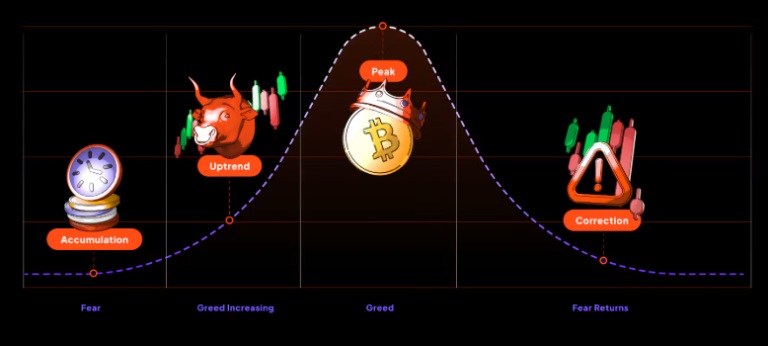
Crypto market cycles unfold through repeatable phases driven by liquidity, sentiment, and structural incentives. Accumulation quietly builds exposure as risk appetite contracts and on-chain activity finds a floor. An ensuing uptrend accelerates via leverage and momentum, then distribution signals waning…

How Artificial Intelligence Helps Detect Cryptocurrency Fraud

How Artificial Intelligence Helps Detect Cryptocurrency Fraud

Artificial intelligence enhances cryptocurrency fraud detection by integrating data quality, governance, and transparent models. It combines feature engineering, anomaly detection, and graph analytics to reveal subtle signals across exchanges and wallets. Real-time risk signals and auditable inputs support timely, informed…