
Choosing the right foundation solution is an essential part of any successful construction project. Whether you are planning a residential extension, commercial development, retaining wall, or outdoor structure, a strong foundation helps ensure long-term stability and structural safety. Screw piling has become a popular option for various construction applications because of its installation efficiency, versatility, and ability to provide reliable ground support. However, achieving the best results depends on selecting experienced professionals who understand the installation process and site-specific requirements. When researching screw piling in Wollongong, property owners and builders should consider several important factors before choosing a service provider. Understanding the ground conditions, installation methods, project requirements, and contractor experience can help you make an informed decision and avoid unnecessary construction complications.
1. Understand Your Project Requirements
Before contacting screw piling professionals, it is important to understand what your construction project involves. Different structures require different foundation designs, and identifying your requirements early can make the selection process easier.
Identify the Type of Construction
Screw piling can be used for various applications, including residential buildings, commercial structures, decks, patios, retaining walls, and industrial platforms. Each application has specific load-bearing and installation requirements.
For example, a small outdoor deck may require a different piling arrangement from a large commercial building. Understanding the size and purpose of your project helps contractors determine the appropriate foundation solution.
Consider Structural Requirements
The weight of the proposed structure plays an important role in screw pile selection. Factors such as building materials, expected loads, and structural design influence the number, length, and diameter of piles required.
A qualified engineer should determine the foundation specifications to ensure that the proposed system provides adequate support.
2. Check the Contractor’s Experience and Expertise
Experience is an important consideration when choosing a screw piling service provider. Although screw piling may appear straightforward, successful installation requires technical knowledge, suitable equipment, and an understanding of different soil conditions.
Review Previous Project Experience
Ask whether the contractor has completed projects similar to yours. Experience with residential, commercial, and challenging construction sites can indicate their ability to manage different installation requirements.
You can also request examples of previous work to understand the types of projects they have handled.
Evaluate Technical Knowledge
Professional contractors should understand pile selection, installation techniques, ground conditions, and structural requirements. They should also be able to explain the installation process clearly and answer questions about potential challenges.
A knowledgeable contractor will avoid making unrealistic promises and will recommend solutions based on the actual conditions of your construction site.
3. Understand Wollongong’s Ground and Soil Conditions
Soil conditions have a direct influence on foundation design and installation. Wollongong includes a variety of landscapes and ground conditions, making proper site assessment an important part of any screw piling project.
Conduct a Proper Site Investigation
Before installation begins, the contractor should review relevant geotechnical information and assess the construction area.
The investigation may consider:
- Soil composition and bearing capacity.
- Groundwater conditions.
- Soil moisture levels.
- Existing underground obstructions.
- Site slope and elevation.
- Potential access restrictions.
This information helps engineers determine whether screw piling is suitable and identify the appropriate installation requirements.
Consider Challenging Ground Conditions
Some construction sites may contain clay, sandy soil, rock, or mixed ground conditions. Each type can affect how screw piles are installed and how they perform under structural loads.
Professional contractors should understand these differences and follow the recommendations provided by geotechnical and structural specialists.
4. Evaluate the Equipment and Installation Methods
The equipment used during installation can influence project efficiency, accuracy, and overall quality. Selecting a contractor with appropriate machinery is therefore essential.
Check Machinery Suitability
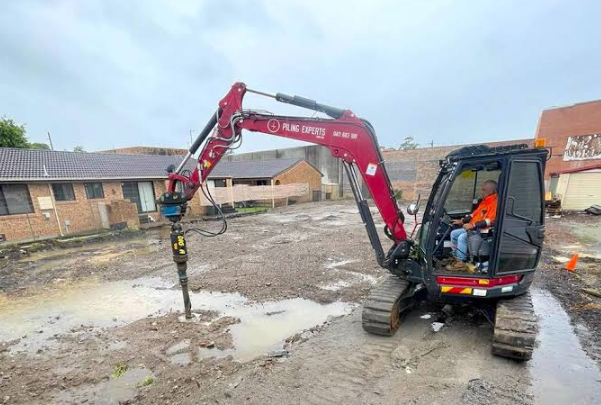
Different projects require different types of installation equipment. Larger construction sites may accommodate specialised piling machinery, while residential properties with narrow access areas may require compact equipment.
Ask the contractor whether their machinery is suitable for your site’s dimensions, access conditions, and ground requirements.
Understand the Installation Process
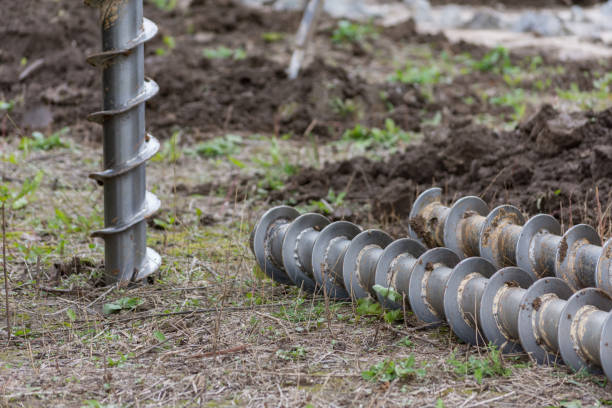
Screw piles are generally installed by rotating steel shafts with helical plates into the ground. The rotating action allows the piles to penetrate the soil while developing the required resistance.
During installation, important factors include:
- Correct pile positioning.
- Appropriate installation depth.
- Accurate vertical or specified alignment.
- Suitable installation torque.
- Compliance with engineering specifications.
A professional contractor should explain how these requirements will be monitored throughout the installation process.
5. Compare Quotes and Understand Project Costs
Cost is another important factor when selecting screw piling services. However, choosing the cheapest option does not always provide the best value. A reliable foundation requires suitable materials, correct installation procedures, and appropriate quality checks.
Request Detailed Written Quotes
Obtain written quotations from multiple contractors to understand the expected project costs. Each quotation should clearly explain the services included.
Important cost components may include:
- Site inspection and preparation.
- Screw pile materials and specifications.
- Installation machinery and labour.
- Transportation and equipment access.
- Engineering requirements.
- Testing and installation documentation.
- Additional work for unexpected ground conditions.
Comparing detailed quotations makes it easier to identify differences in pricing and service quality.
Look Beyond the Initial Price
A low initial quotation may not include important services such as site assessments, engineering coordination, or installation records.
Consider the overall value offered rather than focusing entirely on the lowest price. A properly planned installation can help prevent expensive structural problems and future repairs.
6. Check Licensing, Insurance, and Safety Practices
Construction work involves potential risks to workers, nearby structures, and underground services. Therefore, it is important to choose contractors who follow appropriate safety procedures and legal requirements.
Verify Relevant Qualifications
Ask about the contractor’s business credentials, relevant licences, and experience with foundation installation. Requirements can vary depending on the type and scope of construction work.
Where necessary, confirm that the project has appropriate engineering approvals and complies with applicable building regulations.
Review Insurance Coverage
A professional service provider should have suitable insurance for the work being undertaken. Depending on the project, relevant coverage may include public liability and workers’ compensation.
Confirming insurance arrangements before work begins can provide additional confidence and help protect against unexpected incidents.
Examine Workplace Safety Procedures
The contractor should have suitable procedures for managing machinery, construction access, underground services, and surrounding property conditions.
Good safety practices help reduce risks and support smoother project completion.
7. Ask About Quality Control and Installation Documentation
Quality control is essential because foundation performance depends on accurate installation and compliance with the approved design.
Understand Installation Monitoring
Professional contractors should monitor important installation measurements, including depth, alignment, and torque where required.
These measurements help determine whether the screw piles have been installed according to the specified requirements.
Request Installation Records
Depending on the project specifications, contractors may provide documentation containing details such as:
- Individual pile locations.
- Pile dimensions and specifications.
- Installation depths.
- Recorded installation torque.
- Relevant inspection and testing results.
- Installation completion details.
Maintaining these records can be valuable for future inspections, construction approvals, and project documentation.
8. Consider Communication and Customer Service
Clear communication is an important part of a successful construction project. A contractor who explains technical information in simple terms can make the entire process easier to understand.
Look for Transparent Communication
The contractor should be willing to discuss the proposed installation method, project schedule, expected costs, and possible challenges.
They should also explain how unexpected ground conditions or installation difficulties will be handled.
Check References and Customer Feedback
Reviews and recommendations can provide useful information about a contractor’s reliability, professionalism, and work quality.
Consider feedback relating to punctuality, communication, project management, and the quality of completed installations.
Where possible, speak with previous customers about their experience.
9. Understand Project Timelines and Scheduling
Construction schedules often involve several connected activities. Delays during foundation installation can affect subsequent stages of the project.
Discuss the Expected Installation Schedule
Ask the contractor how long the work is likely to take and whether the proposed schedule accounts for site preparation, equipment access, and other requirements.
The installation timeframe will depend on factors such as pile quantity, soil conditions, site accessibility, and project complexity.
Allow for Unexpected Conditions
Rocky ground, buried obstructions, underground services, and changing weather conditions may affect the installation schedule.
A reliable contractor should identify potential risks early and communicate any changes that could influence project completion.
10. Avoid Common Mistakes When Hiring Screw Piling Services
Selecting a contractor without proper research can create unnecessary complications. Avoid these common mistakes when comparing available services:
- Choosing a contractor based only on the lowest quotation.
- Ignoring previous experience with similar projects.
- Failing to review site investigation requirements.
- Overlooking insurance and safety arrangements.
- Not checking equipment suitability.
- Accepting unclear installation specifications.
- Ignoring quality control and documentation.
- Failing to confirm the project schedule.
Taking time to evaluate these factors can help you select a suitable professional and reduce the likelihood of installation problems.
Conclusion
Choosing the right screw piling service provider in Wollongong requires careful consideration of experience, technical knowledge, equipment, soil conditions, pricing, and safety practices. A reliable contractor should understand your construction requirements, assess the site properly, and work according to appropriate engineering specifications.
Before making a final decision, compare detailed quotations, review previous projects, check relevant qualifications, and ask about installation monitoring and documentation. These steps can help you identify a professional who understands the demands of your project.
Screw piling can provide an efficient and dependable foundation solution for many residential, commercial, and industrial applications. With proper planning, suitable materials, and professional installation, you can establish a strong foundation that supports the safety, stability, and long-term performance of your construction project.